Wings, Wheels and Dogs: Tips for Managing Holiday Air Travel with Chronic Illness
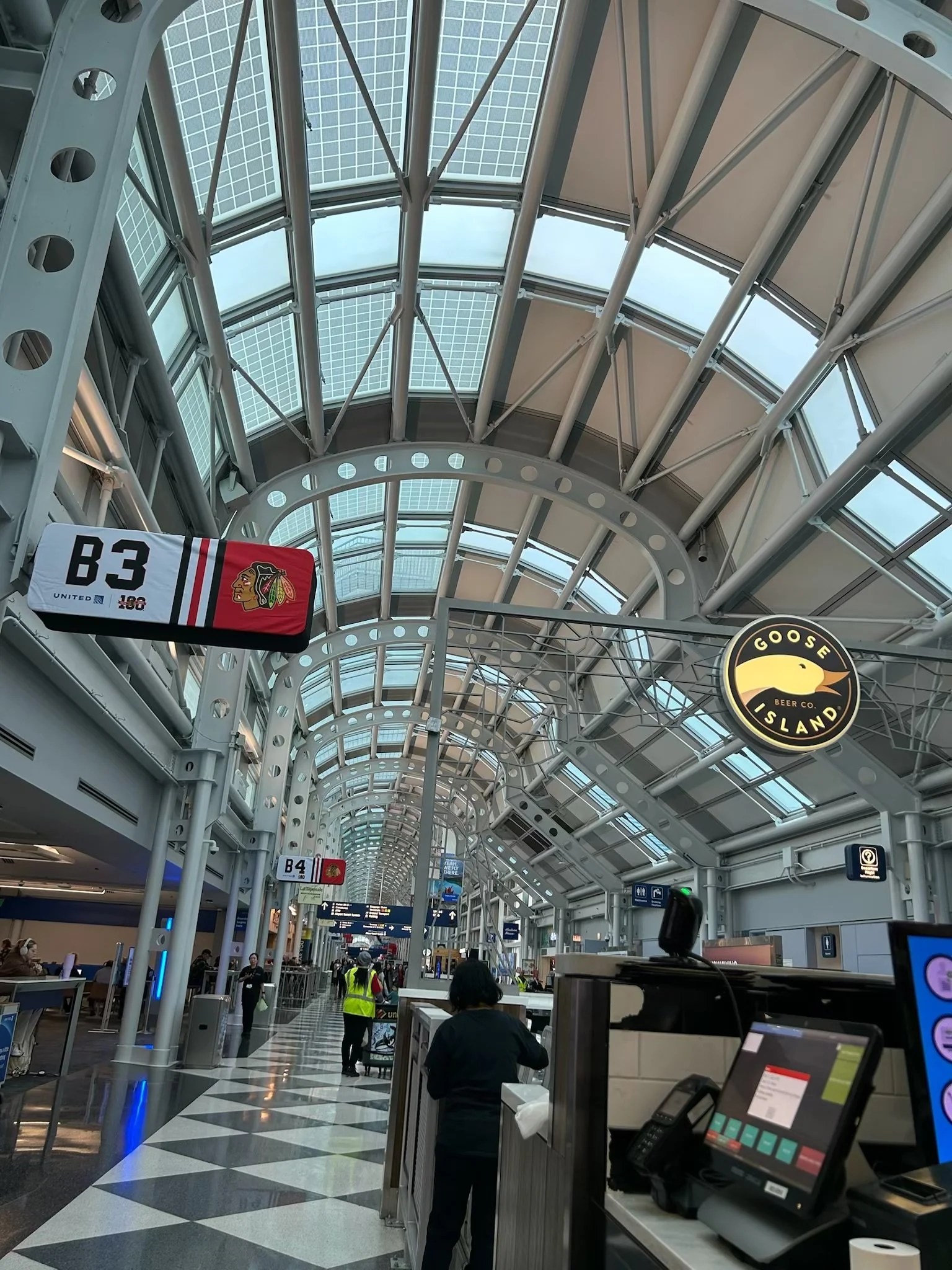
Travel with confidence.
Preparing well for holiday travel with a chronic illness or disability can bring peace to your trip.
While holidays often bring us the joys and nostalgia we cherish, the process it takes to travel and maintain our peace (and health) can be particularly difficult for those of us living with chronic health issues or disability. A particularly poignant memory for me is laying on my coat, on the floor, in the corner of a terminal at Chicago O’hare airport many years ago as I waited for my flight to get rescheduled. I was exhausted after waiting almost 5 hours for a flight delay that was eventually rescheduled for the next day. I moved from my chair to the floor so I might get a little sleep and rested my head on my wheelchair cushion. My service dog was cuddled up tightly next to me as I tried to get some rest.
I woke to my intravenous pump alarming and my service dog indicating that he needed to pee. An airport passenger assistant was leaning over me to let me know the airline was getting me a hotel and I needed to get up and get rolling. When traveling leads to stressful moments like that, it can make you feel like it just isn’t worth all the hassle. Fortunately, there are a lot of ways to prepare for holiday travel and stress that can really help when disability or chronic health issues are a big part of the picture.
Start preparing early by making checklists for your trip weeks in advance if you can. Important checklists might include:
List of medications and healthcare related supplies.
Checked bag items..
Carry-on bag items.
Non-negotiable items that must be with you as you travel.
Service dog checklist: If you have a service dog make a checklist for their food and supplies as well.
Designate a location in your home where you will gather your supplies, bags and travel items and make sure you will have room to sort through your bags to make sure everything is packed and ready to go. Do a last minute run down of each list to make sure you have everything you need when it is time to roll out.
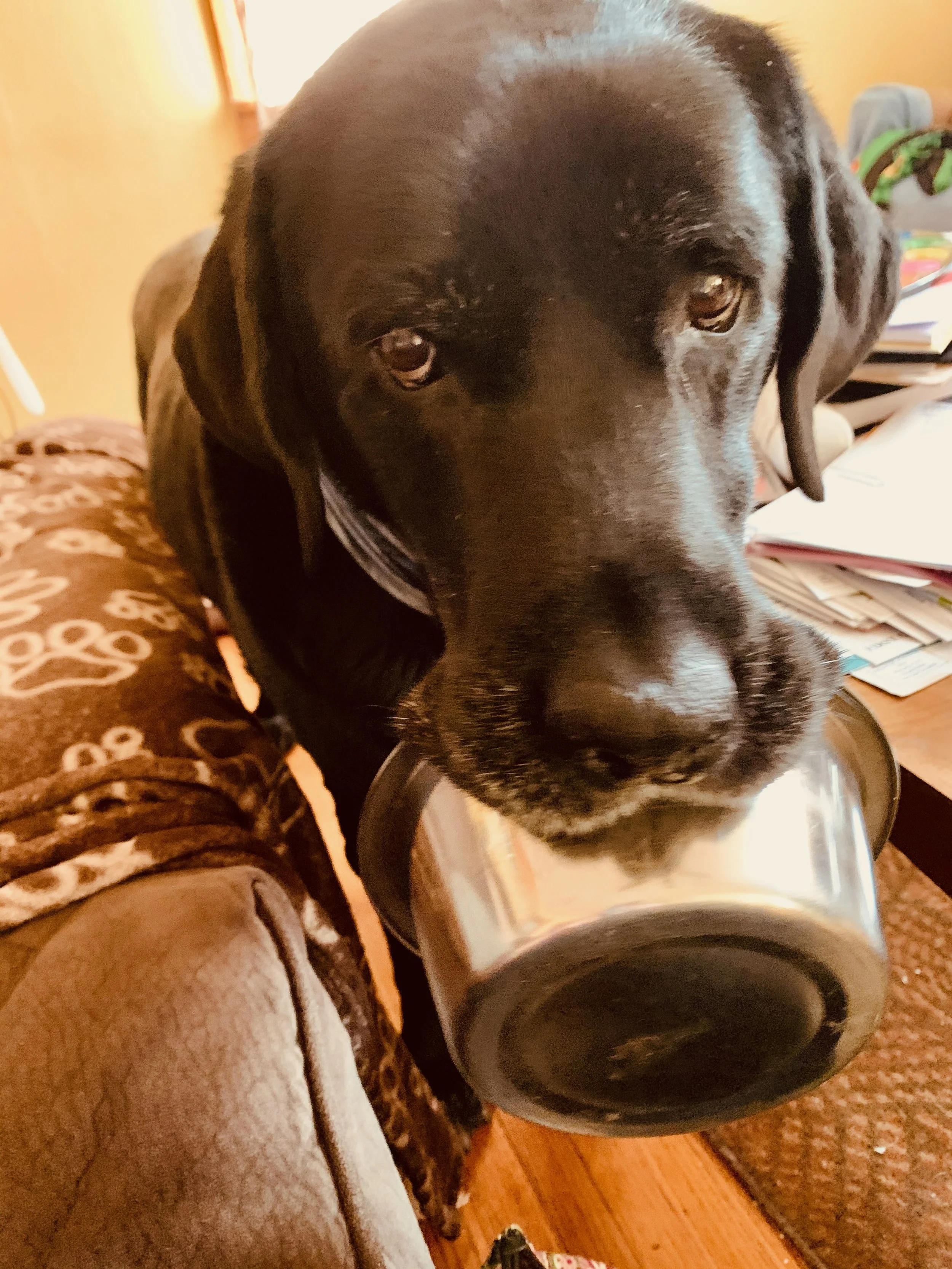
Start preparing early.
Make checklists for your trip and designate an area to prepare your supplies.
When you book your flight, consider the time of day you will fly. If you have fatigue issues, it might be better to fly in the morning. This allows time for a potential back up flight if there’s a cancellation and gives you more time to settle in when you get to your destination. Some airlines even have automatic booking for the next flight in case of cancellations.
About a week or so before you fly, it is good to check in with your airline. You can reiterate your needs and make sure all of your flights are on time. Be aware of the weather and other factors that could affect your travel and plan accordingly. Plan for flight delays and cancellations and find out your airline’s policies if these were to occur. Talk to the airline about the accommodations you need and how they can help.
Call your airline’s accessibility assistance phone line. Most airlines have a phone number you can call to get assistance with disability accommodations and accessibility. If you need a relay operator for a speech or hearing impairment you can call 7-1-1 to connect to the National Relay Service for any airline.
Contact TSA Cares (866) 289-9673 in the U.S. and they can assist you with the process of getting through security.
If you have a service dog or other specific needs let your airline and TSA know in advance so they can provide the accommodations that you need.
TSA Cares has an ID card that you can print out and give to TSA agents so that they are aware of your need for accommodations.
More information is available at: https://www.tsa.gov/travel/tsa-cares
Arrive at the airport early. Meeting with passenger assistants who can help you get to your gate or to the disability assistance area and making sure bags are checked should be top priority. They can help you access your tickets and check any assistive devices that will need to be with you. This is a good time to let them know if you need an aisle wheelchair in order to board the plane. If you need help going through security or transportation to your gate let them know right away. It is also important to remember that gratuity can go a long way to let assistants know they are appreciated.
One of my disabilities, dystonia, causes muscle spasms under stressful conditions. Excess noise and high pitched sounds can aggravate my symptoms, so it helps me to have noise-cancelling headphones or earplugs and to take medications before heading through security. Earplugs can also be really helpful for people with autism, sensory integration disorder, ADHD and other disabilities that cause sound sensitivities. It helps when I let passenger assistants and TSA agents know that I need my earplugs so it might be harder for me to hear them.
Prepare for potential health issues that may arise during your trip.
Bring earplugs or noise cancelling headphones to dampen noise.
Have medications ready. Make sure to bring extra in case of delays.
Label your medications. Bring original bottles with the script on the side or have all scripts available if anything is in a different container.
Let TSA know If you use a feeding tube, intravenous pumps, liquid medications, an ostomy or implanted devices like a central line or pacemaker.
Making personnel aware of your needs helps them provide compassionate care as you make your way through security.
Hydrate. Make sure to take an empty water bottle in your carry-on so you can fill it after you go through security.
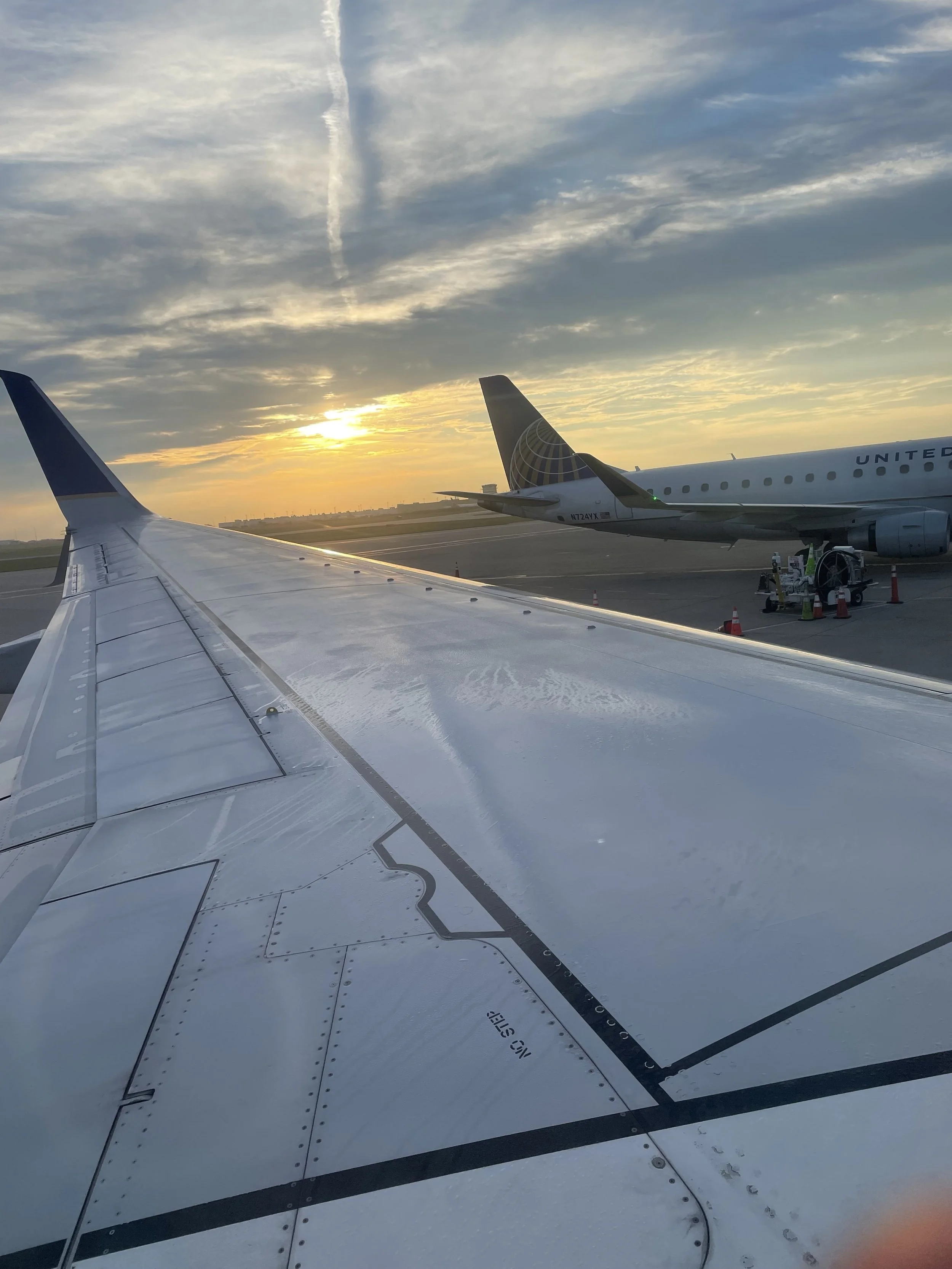
Request to pre-board your flight.
Speak up about your needs for disability accommodations.
Myself and many other wheelchair users that I know, have suffered from damage to wheelchairs and mobility devices due to improper storage of them during the flight. I will never forget the sinking feeling I felt after a flight home when I transferred into my chair and realized my wheels would no longer move. For those of us who need mobility devices to get around, it is really scary to land at your destination only to find that your wheels have been bent so badly that they won’t turn or your motorized wheelchair has been damaged and won’t turn on. It helps to know your rights and have a plan in case this happens.
Under the U.S. Air Carrier Access Act (ACAA), assistive devices must be handled with the highest degree of care, returned promptly to the passenger and no extra charges can be requested from you to travel with your equipment. Airlines are held responsible for the full cost of the equipment if they cause damage, not “depreciated value”.
I have found that it helps to discuss the care of my equipment with the airline prior to flying and to reiterate how to care for my wheelchair with multiple people who will be loading it onto the plane. If you have major concerns you can make some requests.
Speak to the Cargo Supervisor before the flight and discuss how to handle your assistive devices.
Request Pre-boarding. This makes the airline and flight attendants aware of your needs.
Ask for Gate Check for your wheelchair or other mobility device.
Consider including a “Mobility device Handling Instruction Sheet” that can be put in a plastic sleeve and placed on the back of your equipment.
Take photos or videos of your assistive devices and belongings before your flight, so that you have a record of the condition of your equipment, just in case.
These opportunities allow you to speak up about what the airline can do to avoid damaging your devices and get you on the plane safely. Using gate check separates your assistive device from the rest of the luggage, gives you the opportunity to ask for extra care and brings your equipment to you immediately as you deplane. During your flight, it can help to remind the flight attendants that you will need your equipment at the gate, especially if you have a connecting flight. They can call and let the cargo attendants and your next flight know about your needs, providing a smoother trip for you.
Service dogs have added a great deal of freedom and many blessings to my life. Both of my dogs dramatically improved my quality of life by doing their amazing jobs to help me and loving every minute of it. Traveling with a service dog can greatly improve accessibility and independence but it also adds some important logistics to your trip.
Be prepared to travel with your service dog. Get your paperwork ready and use a small folder or waterproof pouch to protect it in your carry-on. Although ADA law in the U.S. does not require documentation for access with your service dog, paperwork is still essential. Here is a list of good information to have with you when traveling with your dog.
Current Rabies Vaccination Certificate: The actual paper certificate signed by the vet, not just the tag.
Health Certificate (CVI): This may be required by your airline or if crossing international borders.
Dept. of Transportation (DOT) Service Animal Air Transportation Form: If flying within the US, this is necessary for every flight.
ADA Info Cards/Handouts: Small cards explaining your rights under the ADA. These are incredibly helpful for educating uninformed gate agents, hotel staff, or Uber drivers calmly.
Emergency Contact Sheet: Your vet’s info back home, an emergency vet at your destination, and your trainer’s contact info.
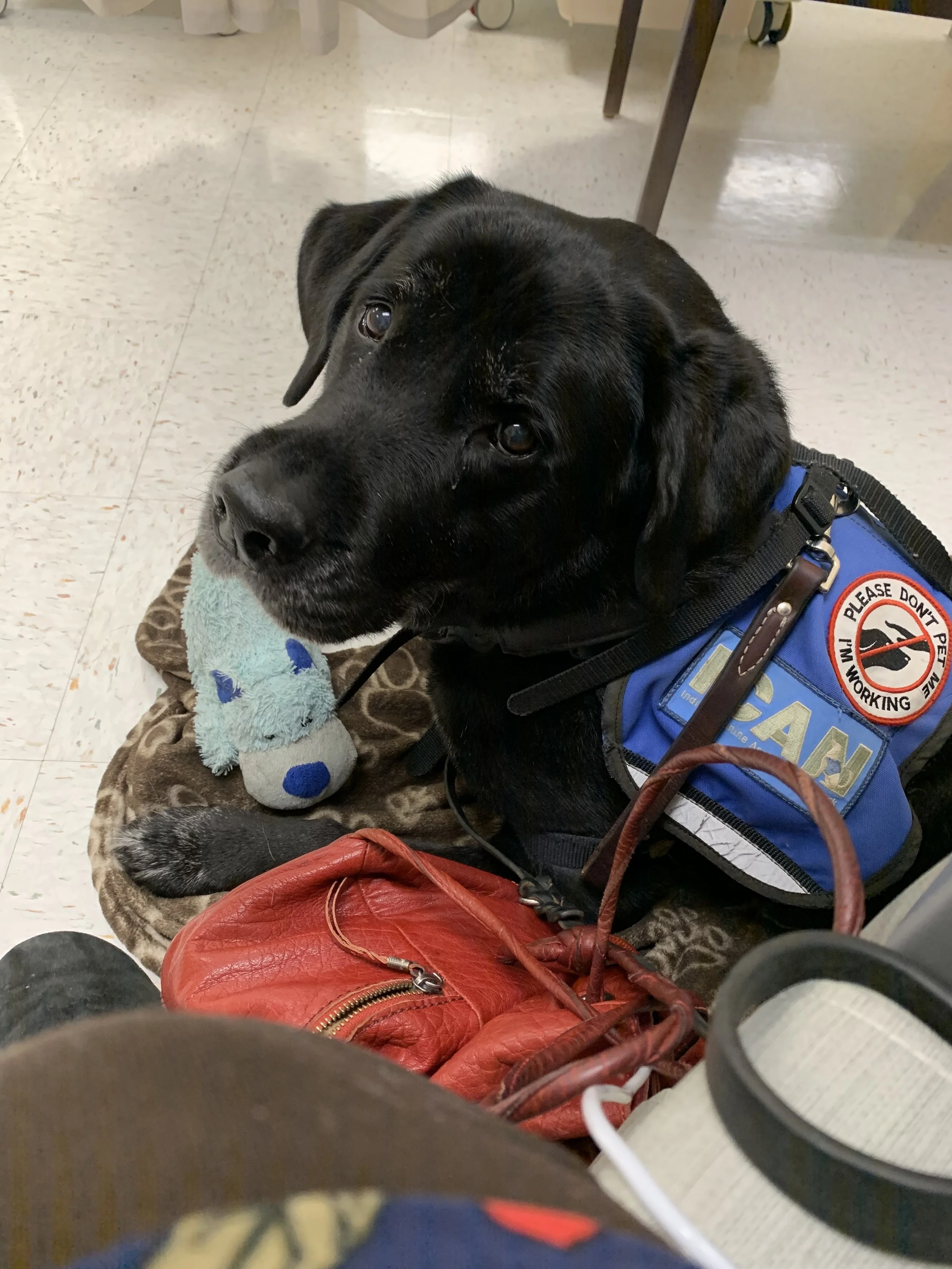
Get your paperwork ready.
Know your rights and be ready to share information about your accessibility needs.
Make sure to let your airline know that you have a service dog traveling with you and ask if you can be moved to bulkhead seating to provide more room for your dog at your feet.
Having a specific bag for your service dogs items in your carry-on is essential. Everyone’s needs are different, but here are some things that you will likely need to bring.
Collapsible Bowl: Although, limiting water and food a bit during travel is helpful, your dog will need a bowl for water and meals.
Treats Pouch: Travel is distracting. Even seasoned service dogs benefit from high-value rewards in stressful environments like TSA checkpoints or crowded terminals.
Poo Pick-up Bags and Puppy Pads: Bring more than you think you need.
All Your Working Gear: Harness, leashes, boots if needed and a collar with your current cell phone number on tag.
A "Do Not Distract" Patch or Leash Wrap: Travel hubs are full of people wanting to pet your dog and it helps to make your sign obvious.
Medications and Food (add a few extra days in case of delays).
First Aid. Vet Wrap (bandage that doesn’t stick to fur), Styptic powder for nails or small bleeds.
Toys & blanket or small bed.
My first service dog, Kramer, absolutely loved to fly and he always wanted to peek out the window of the plane before laying down at my feet. Both of my dogs were trained by top notch schools and almost always on their best behavior during flights. That said, having their favorite blanket or toy and a treat ready, definitely went a long way to make our trips more fun and comfortable.
Good preparation makes the trip fun.
Check your lists one more time and roll into the holidays with ease.
No matter how much we plan, travel (particularly by flight), will always have its unpredictable moments. However, planning well with the right gear, using checklists, and speaking up for your rights can change a frantic trip into a manageable one. Having my medications, equipment and knowledge ready has helped me travel on many trips over the years. It is a learning process and I hope that my experiences can bring some ease to as you work to accommodate your challenges for travel.
Chronic illness and disabilities definitely make the process more demanding but good preparation can also make for a fun and interesting trip. Whether you are rolling through the terminal with a service dog by your side or navigating security with medical devices, remember that you have the right to be there and the right to arrive safely. Take a deep breath, double check that list one last time, and enjoy the holidays.
References
https://www.faa.gov/about/office_org/headquarters_offices/acr/com_civ_support/disability_compliance
https://www.transportation.gov/airconsumer/disabilitybillofrights
Photo credits:
Airport photo by Nipa Pandya.
Service dog photos and wings by Jenelle Dorner.
Plane window sunrise by Merilyn Kearney.